


Diversifying an investor’s portfolio with a global portfolio can help in balancing the market volatility and potentially boost returns while aligning your portfolio with your dollar-based spending for long-term wealth creation.

PMS Bazaar conducted its second edition of the Dubai Alternative Investment Summit (DAIS) in Dubai on February 17, 2024. As part of this event, the company invited various industry experts to share their insights on the Indian alternative industry. One such popular expert, Saurabh Mukherjea, founder and CIO of Marcellus Investment Managers, presented a compelling argument for diversification. That is, he laid out the benefits of incorporating global assets with an Indian portfolio. His topic on the event day was: Investing in India using quant strategies for sustainable alpha.
Saurabh
Mukherjea of Marcellus Investment Managers introduced the concept of
"Double Engine Compounding," highlighting the potential for superior
returns and risk management by investing in both domestic and developed
markets. This is because a significant portfolio, nearly 50-60%, of the
spending happens in dollars. So, if an individual earns and saves in the local
currency (Dhiram or Rupee) but spending happens in dollars, this, he said,
creates an asset-liability mismatch. As a result, he said, it necessitated
diversification beyond domestic markets to hedge against rupee fluctuations and
capitalise on global growth opportunities.
Double Engine Compounding
He emphasised that
the Indian equity market had been the best-performing market in the past and is
expected to continue the bull run going forward as well. However, he explained
that the US market has historically dominated over 30 years. The key, he said,
was in the low correlation between the two markets. He pointed out that the two
countries account for 60% of wealth creation globally. So, combining these two
distinct markets can significantly enhance risk-adjusted returns and provide
valuable diversification benefits.
Data presented
by Mukherjea demonstrated how a balanced 50-50 allocation between US and Indian
equities over 20 years would have outperformed either market. He stressed that
to create wealth for the long term, diversifying a portfolio effectively is
crucial.
However, venturing into global investments comes with its own set of hurdles. Mukherjea acknowledged the challenges, including high minimum investment requirements, complex tax implications, and limited access to successful US funds for Indian investors. He then explained about the Global Consistent Compounders (GCP) fund launched on GIFT IFSC.
Mukherjea
showcased GCP's ROIC (return on invested capital) and its ability to outperform
the S&P 500, even during challenging market conditions such as the CY of 2023.
He also narrated three different case studies on three companies – ASML,
Microsoft and Hermes that are a part of GCP’s portfolio. His presentation
indicated the approaches to stock picking for investors. Though this was
explained keeping in the context of GCP, there are three themes to categorise
the stocks: pick and shovel, utility, and consumption. These themes represent
sectors poised for sustainable growth, and dominance in their respective
markets, providing a solid foundation for the fund's performance.
Watch Mukherjea present on double engine compounding through different case studies from his Global Compounders Portfolio (GCP) PMS Strategy:
Get access to rich data and analytics of PMS & AIF by subscribing to us. Join the 60000+ investors & experts now: Subscribe NOW
Recent Blogs

SEBI’s Accredited Investor Certificate: Exclusive Access to AIFs, PMS, SIFs & Private Markets
PMS Bazaar recently organized a webinar titled “SEBI’s Accredited Investor Certificate: Exclusive Access to AIFs, PMS, SIFs & Private Markets,” which featured Mr. Rajesh Kumar S, Head of Business, NSDL Database Management Limited. This blog covers the important points shared in this insightful webinar.
April rebound lifts PMS strategies, but small-cap tilt drives leaders
A broad market recovery helped managers beat large-cap indices, though alpha against wider benchmarks remained more selective and category-dependent

SEBI’s GARUDA Framework: A Big Boost for India’s AIF Industry and GIFT City Ecosystem
India’s Alternative Investment Fund (AIF) industry has evolved rapidly over the last few years. Investors today are increasingly moving beyond traditional investment products such as mutual funds and fixed deposits in search of differentiated opportunities across Private Equity, Venture Capital, Private Credit, Real Estate, infrastructure, and Category III long-short strategies.

Winners & Losers: Sectors to Watch in the Current Global Crisis
PMS Bazaar recently organized a webinar titled “Winners & Losers: Sectors to Watch in the Current Global Crisis,” which featured Mr. Arpit Shah, Co-Founder and Director, Care Portfolio Managers. This blog covers the important points shared in this insightful webinar.
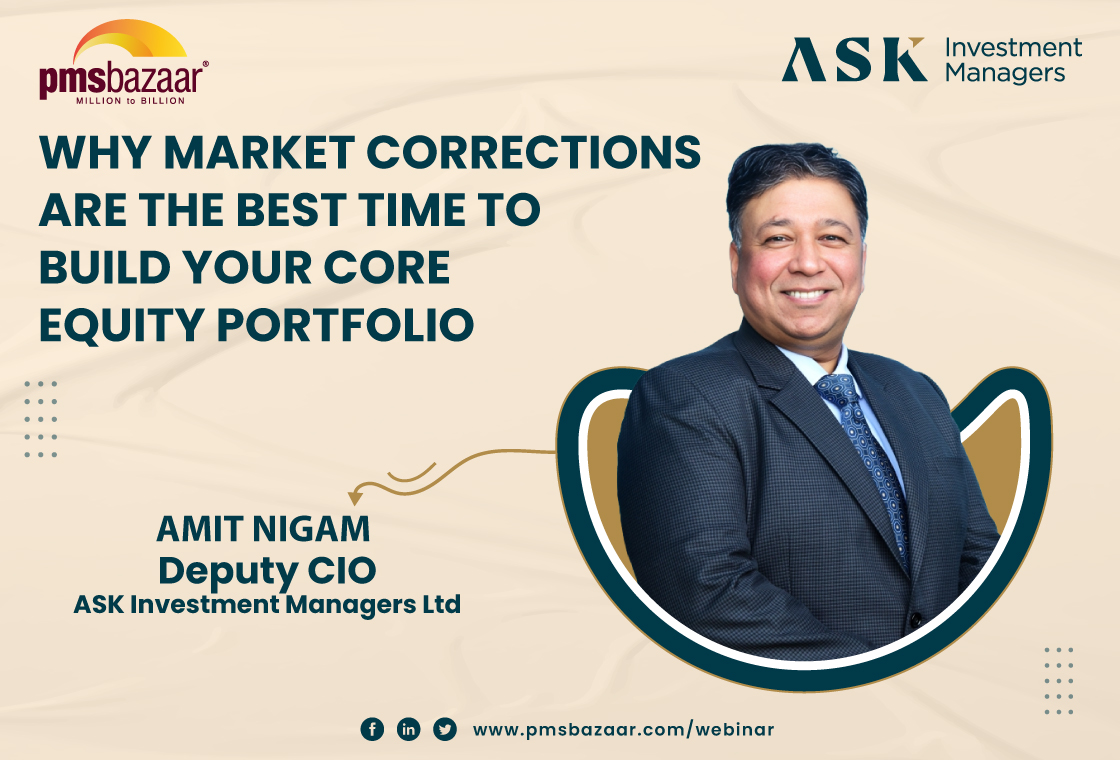
Why Market Corrections Are the Best Time to Build Your Core Equity Portfolio
PMS Bazaar recently organized a webinar titled “Why Market Corrections Are the Best Time to Build Your Core Equity Portfolio,” which featured Mr. Amit Nigam, Deputy CIO, ASK Investment Managers. The webinar blog covers insights from Mr. Nigam, which includes explanation how recent stock market volatility in India creates opportunities for long-term investors. It highlights shifting from a fixed deposit mindset to equities, his blog covers the important points shared in this insightful webinar.
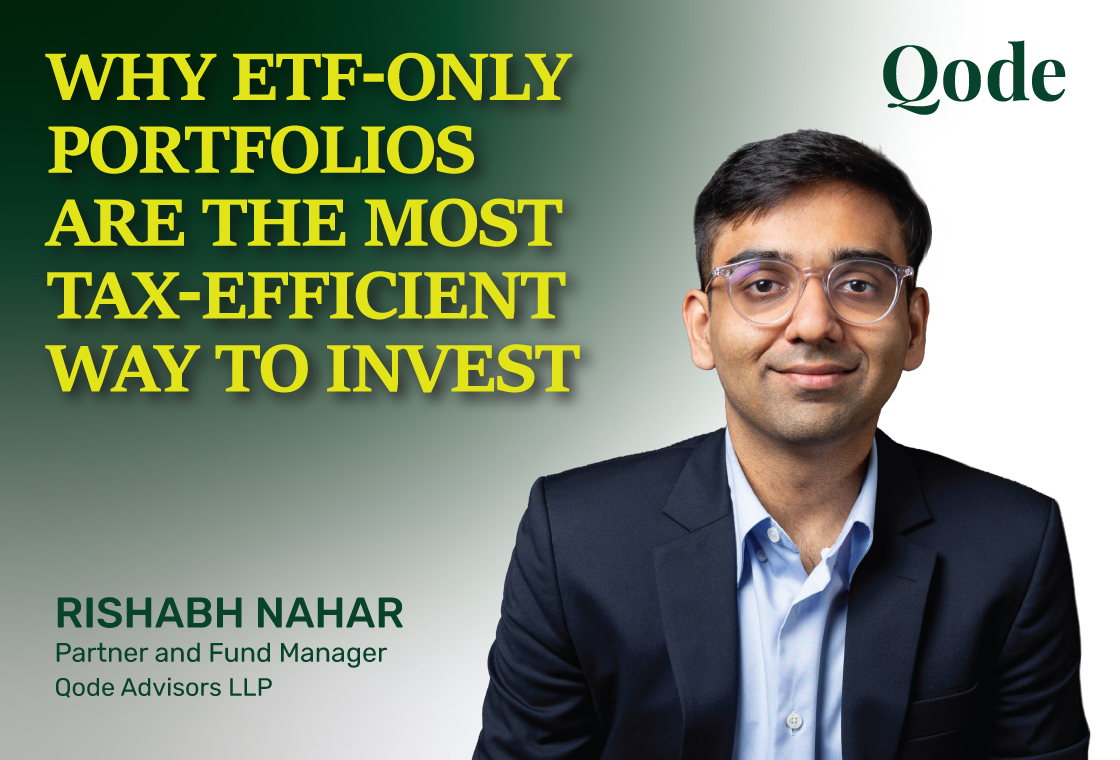
Why ETF-Only Portfolios Are the Most Tax-Efficient Way to Invest
How deferred taxation and lower LTCG rates compound into significantly higher post-tax wealth for long-term investors
6 out of 10 PMSes Beat Benchmarks In March Crash
Despite a fourth straight monthly sell-off, most PMSes fell less than benchmarks; a few even stayed in the green
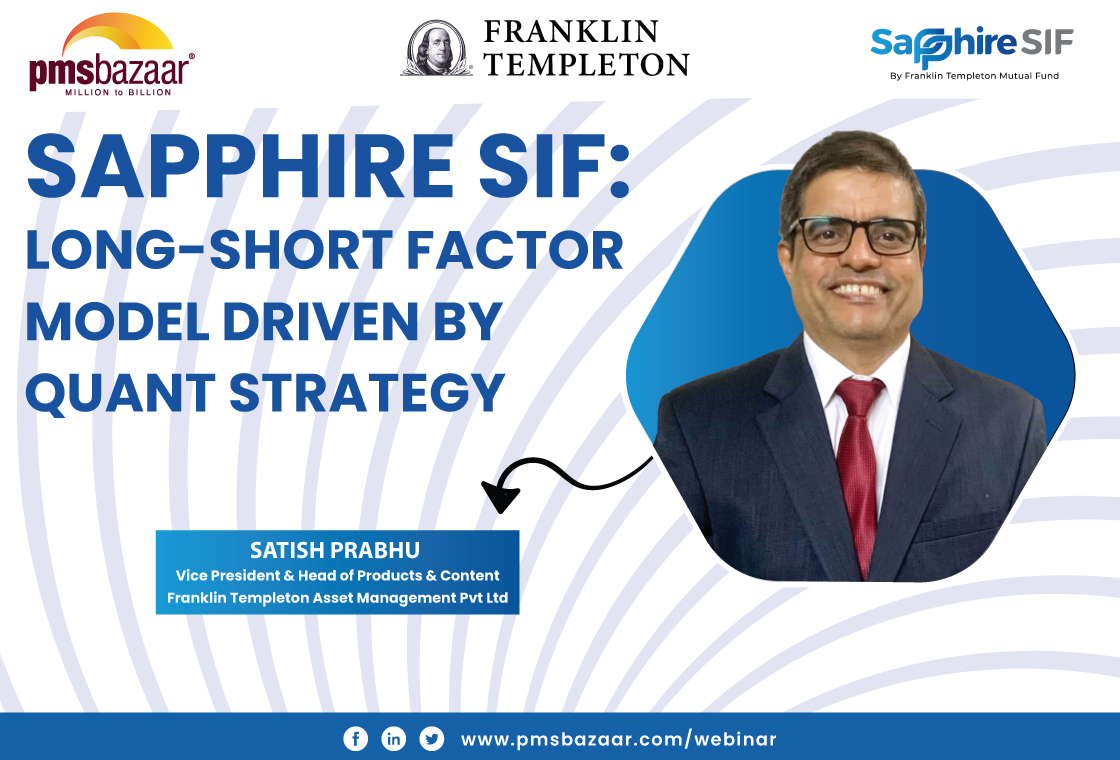
Sapphire SIF: Long-Short Factor Model Driven by Quant Strategy
PMS Bazaar recently organized a webinar titled “Sapphire SIF: Long-Short Factor Model Driven by Quant Strategy,” which featured Mr. Satish Prabhu, Vice President and Head of Products and Content, Franklin Templeton Asset Management Private Limited. This blog covers the important points shared in this insightful webinar.